Transforming Homes and Businesses with Solar Power Solutions
Thailand receives generous sunshine throughout the year, making it an ideal location for renewable energy adoption. With temperatures regularly climbing above 30 degrees Celsius, air conditioning becomes a necessity rather than a luxury for most residents and office workers. This heavy reliance on cooling systems drives up electricity bills significantly, prompting many property owners to look for sustainable alternatives.
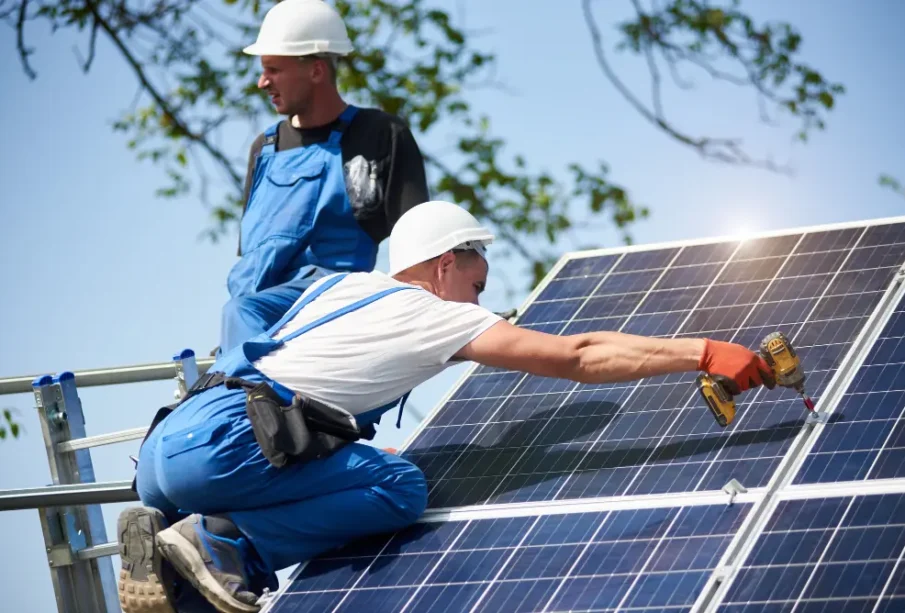
Transitioning to photovoltaic systems allows households and commercial entities to generate their own electricity directly from the sun. The technology has advanced rapidly, becoming more efficient and affordable. As a result, a proper solar installation is now a viable investment for reducing long-term operational costs while contributing to a greener environment.
Understanding how these systems work helps potential users make informed decisions. The process involves capturing sunlight and converting it into usable power for appliances, lighting, and heavy machinery. Because the sun is strongest during the day, production aligns perfectly with the highest energy demand periods for offices and factories.
Economic Benefits for Commercial Enterprises
For businesses in Thailand, electricity often represents a major operational expense. Factories, warehouses, and office buildings consume vast amounts of power during daylight hours. By generating power on-site, businesses can offset the high tariff rates charged by the grid. This leads to substantial savings over time, freeing up capital for other improvements or expansion. Additionally, using clean energy can improve a company’s corporate social responsibility profile, which is becoming increasingly important to investors and partners.
Residential Applications and Savings
Homeowners face similar challenges with rising energy costs. Families often run multiple air conditioning units, refrigerators, and entertainment systems simultaneously. A roof-mounted system can handle a significant portion of this load. Even a modest setup can power essential daytime appliances, drastically cutting the monthly bill from the utility provider. Modern inverters also allow users to monitor their energy production in real-time through smartphone apps, giving them greater control over consumption habits.
Addressing Environmental Concerns
Beyond financial savings, switching to clean energy addresses environmental concerns pertinent to the region. Thailand frequently grapples with air quality issues, partly due to fossil fuel consumption. Reducing dependence on traditional power plants lowers carbon emissions. Every kilowatt-hour generated by the sun is one less produced by burning coal or gas. This shift contributes to cleaner air and a healthier community environment.
Durability in a Tropical Climate
Concerns about the local weather are common, but modern panels are designed to withstand harsh conditions. They are built to endure high heat and humidity without losing significant efficiency. Maintaining these systems is relatively straightforward. The frequent rain during the wet season helps wash away dust and debris that might accumulate on the panels, keeping them clean. However, an annual professional check-up ensures optimal performance and safety.
The move towards self-sufficient energy is gaining momentum across the country. As technology improves and becomes more accessible, more buildings will likely feature solar arrays. It is a practical response to Thailand’s climate and economic reality, offering a pathway to stability for property owners.