Architecture Shaping Social Community Spaces
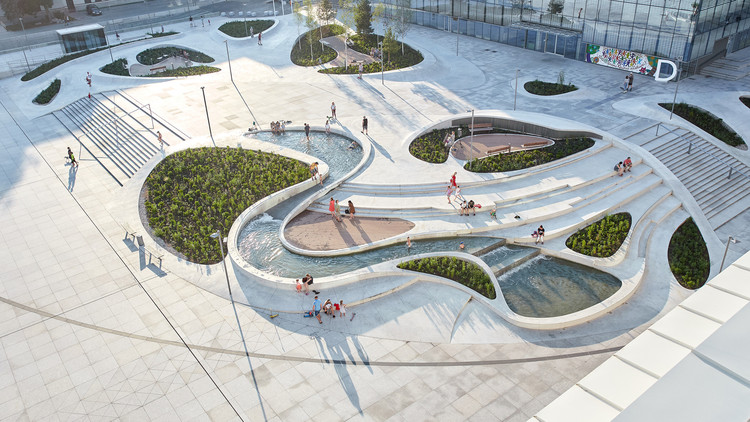
Architecture plays a defining role in how people gather, interact, and build shared identities. Thoughtfully designed environments influence social behavior, strengthen cultural continuity, and encourage inclusive participation. From public squares to community centers and mixed-use developments, architectural planning shapes the physical framework within which social relationships develop and thrive.
The Role of Architecture in Building Social Connections
Architecture supports social interaction by organizing how people move through and occupy shared environments. Well-designed community spaces promote engagement rather than isolation.
Key spatial elements that support social connectivity include:
- Open plazas that encourage spontaneous gatherings
- Pedestrian-friendly streets that support safe movement
- Community centers that host educational and cultural activities
- Parks designed for recreation and relaxation
Spaces that balance openness with accessibility tend to attract diverse users, creating opportunities for dialogue and collaboration.
Public Spaces as Catalysts for Community Identity
Public spaces often become symbols of shared identity. Their design influences how communities express traditions, celebrate events, and participate in civic life.
Architectural features that strengthen identity include:
- Local materials reflecting regional heritage
- Cultural motifs embedded in structural elements
- Flexible spaces adaptable for festivals and gatherings
- Monuments and landmarks that preserve collective memory
When architecture reflects cultural values, it fosters a stronger sense of belonging among residents.
Inclusive Design and Social Accessibility
Inclusive architecture ensures that community spaces remain usable for people of all ages and abilities. Accessibility strengthens participation and reduces social barriers.
Important inclusive design strategies include:
- Barrier-free entrances and pathways
- Seating areas designed for varied physical needs
- Safe lighting for evening use
- Clear wayfinding systems for easy navigation
Inclusive environments create opportunities for equal engagement and promote social harmony.
Mixed-Use Developments Encouraging Daily Interaction
Mixed-use developments combine residential, commercial, and recreational spaces within walkable distances. This integration encourages everyday encounters among residents.
Benefits of mixed-use planning include:
- Reduced travel time between essential services
- Increased pedestrian movement
- Enhanced local economic activity
- Stronger neighborhood familiarity among residents
Architectural diversity within these developments supports vibrant community life throughout the day.
Green Spaces as Social Infrastructure
Parks and landscaped areas are essential components of socially active environments. Beyond ecological benefits, green spaces support emotional well-being and community interaction.
Effective green infrastructure contributes to:
- Informal gathering opportunities
- Physical activity and recreation
- Opportunities for intergenerational interaction
- Environmental awareness and stewardship
When integrated into urban planning, green spaces strengthen both physical and social health.
Community Centers as Anchors of Social Life
Community centers serve as focal points for learning, cultural exchange, and social services. Their architectural design determines how effectively they serve diverse populations.
Successful community centers often include:
- Multi-purpose halls for events and workshops
- Flexible classrooms for training programs
- Outdoor courtyards encouraging informal interaction
- Transparent entrances that communicate openness
These facilities often act as bridges between different demographic groups.
Cultural Sensitivity in Architectural Planning
Architecture that respects cultural traditions supports long-term social cohesion. Designers who incorporate regional practices into spatial planning help communities preserve identity while adapting to modern needs.
Examples of culturally responsive design approaches include:
- Climate-responsive building forms rooted in traditional knowledge
- Courtyard layouts encouraging shared family interaction
- Use of locally available construction materials
- Integration of community storytelling elements into design features
Such strategies strengthen emotional attachment to place.
The Impact of Safety-Oriented Design on Social Engagement
People are more likely to use community spaces when they feel safe. Architectural decisions strongly influence perceptions of security.
Safety-enhancing design elements include:
- Clear visibility across shared areas
- Active street fronts that increase natural surveillance
- Adequate lighting throughout pedestrian routes
- Defined transitions between public and private zones
Safe environments encourage longer stays and repeated visits.
Future Trends in Community-Oriented Architecture
Emerging architectural approaches increasingly emphasize adaptability and sustainability. Future community spaces are likely to integrate technology, environmental sensitivity, and participatory planning methods.
Expected developments include:
- Smart public infrastructure supporting digital connectivity
- Climate-resilient landscape integration
- Flexible modular structures for evolving needs
- Community-led co-design processes
These trends suggest a growing focus on collaborative spatial development.
Conclusion
Architecture plays a central role in shaping how communities interact, collaborate, and grow together. Through inclusive planning, cultural sensitivity, green integration, and mixed-use development strategies, designers can create environments that support meaningful social engagement. Well-planned community spaces strengthen relationships, enhance identity, and contribute to long-term urban resilience.
Frequently Asked Questions
1. How does architecture influence social behavior in communities
Architectural layouts determine movement patterns, gathering opportunities, and accessibility, which directly shape how frequently people interact and collaborate.
2. What makes a public space socially successful
Successful public spaces provide comfort, accessibility, safety, flexibility for activities, and reflect the cultural identity of the community.
3. Why are walkable neighborhoods important for community development
Walkable neighborhoods increase daily interaction among residents, support local businesses, and reduce dependence on transportation systems.
4. How can architecture support intergenerational interaction
Design elements such as shared courtyards, parks, and flexible recreational zones allow people of different age groups to participate together in community activities.
5. What role do local materials play in community architecture
Local materials strengthen cultural identity, reduce environmental impact, and create familiarity between people and their surroundings.
6. How can temporary architecture support social engagement
Temporary installations such as pop-up pavilions and event spaces activate underused areas and encourage short-term community participation.
7. What is the importance of flexible design in community spaces
Flexible design allows spaces to adapt to changing social needs, making them usable for multiple activities across different times and groups.