Small Space Decorating Without Feeling Crowded
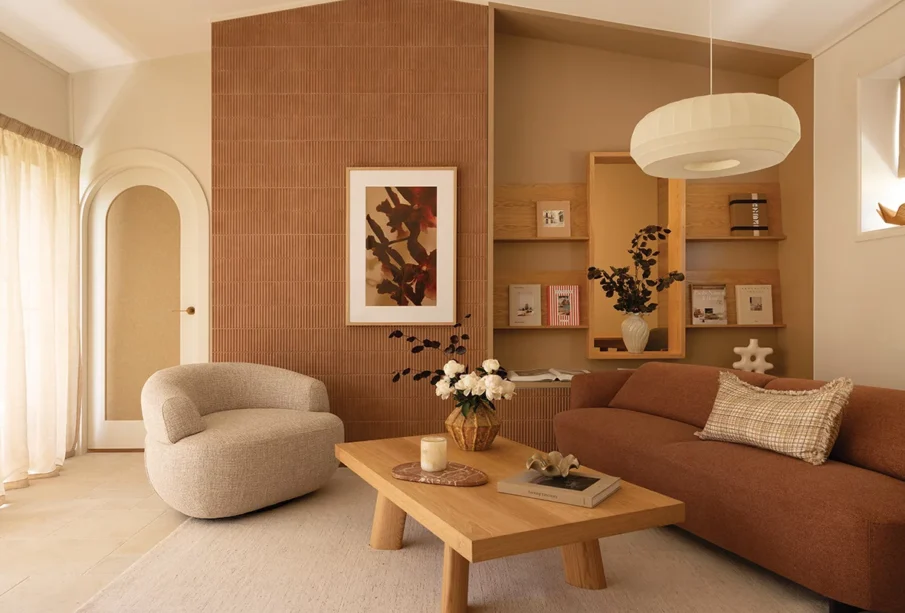
Decorating a compact home is not about limiting creativity. It is about making thoughtful choices that improve flow, maximize function, and maintain visual comfort. With the right strategies, even the smallest room can feel open, organized, and inviting rather than tight or cluttered.
This guide explains practical, realistic techniques that help small interiors feel spacious while still reflecting personality and style.
Use Light Colors to Create Visual Openness
Color has a direct impact on how spacious a room feels. Light tones reflect natural and artificial light, which visually expands walls and ceilings.
Effective color choices include:
- Soft whites
- Warm neutrals
- Pale greys
- Gentle pastels
Keeping wall colors consistent across connected spaces also prevents visual breaks, helping rooms appear larger than they are.
To maintain warmth, layer textures such as woven fabrics, wood accents, or linen upholstery instead of adding darker paint shades.
Choose Multi Functional Furniture
Furniture that serves multiple purposes reduces crowding while improving usability.
Examples include:
- Storage ottomans that function as seating and hidden storage
- Sofa beds for guest accommodation
- Foldable dining tables
- Wall mounted desks
Selecting pieces that adapt to different needs keeps the layout flexible without increasing visual bulk.
Keep Floor Space Visible
Open floor visibility makes a room feel larger instantly.
Practical ways to achieve this include:
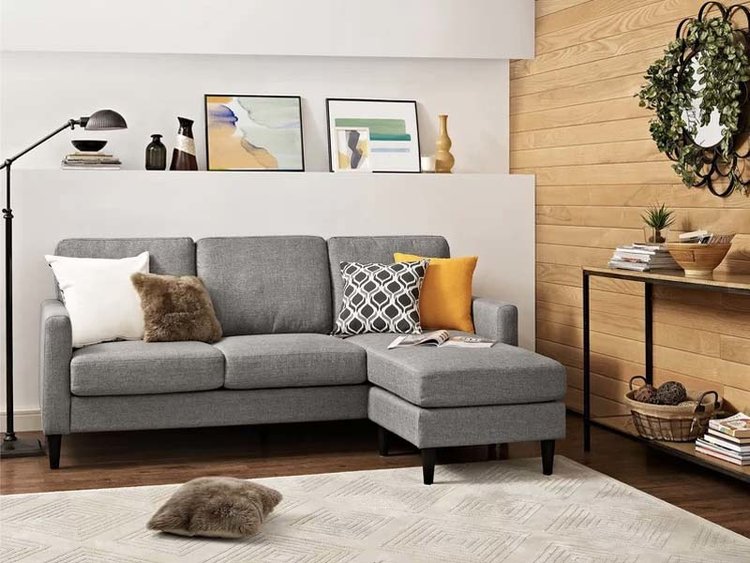
- Choosing furniture with raised legs
- Installing floating shelves instead of bulky cabinets
- Mounting televisions on walls
- Avoiding oversized rugs that cover the entire floor area
Even small adjustments in floor exposure can dramatically improve perceived spaciousness.
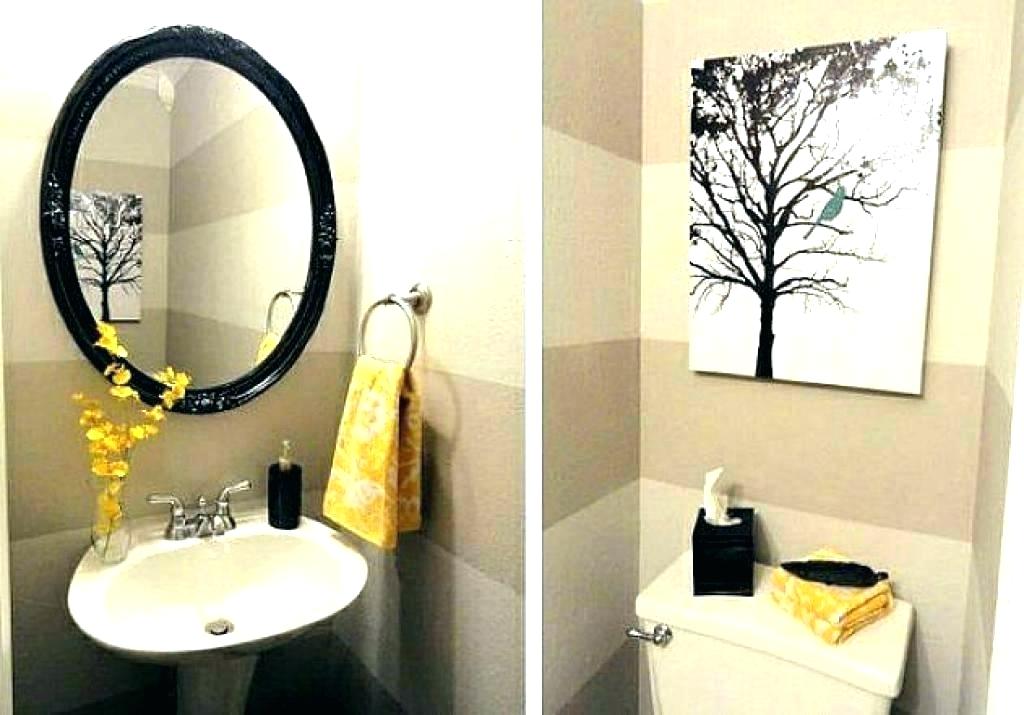
Use Mirrors Strategically
Mirrors amplify both natural light and visual depth.
Best placement ideas include:
- Opposite windows to reflect daylight
- Along narrow corridors
- Behind seating arrangements
- As statement wall decor
A single large mirror is often more effective than multiple smaller ones scattered across walls.
Embrace Vertical Storage Solutions
When horizontal space is limited, vertical space becomes valuable real estate.
Smart vertical storage options include:
- Tall bookshelves
- Wall mounted cabinets
- Hanging organizers
- Floor to ceiling wardrobes
These solutions keep essentials accessible while preserving movement space at ground level.
Maintain a Minimal Visual Layout
Clutter visually shrinks any room regardless of its size.
To maintain clarity:
- Limit decorative objects to a few meaningful pieces
- Avoid mixing too many patterns
- Keep surfaces partially open
- Use concealed storage whenever possible
Minimal styling does not mean removing personality. It means highlighting what matters most.
Select Proper Lighting Layers
Lighting affects both comfort and perceived room size.
Instead of relying on a single overhead fixture, combine:
- Ambient lighting for overall brightness
- Task lighting for focused activities
- Accent lighting for depth and mood
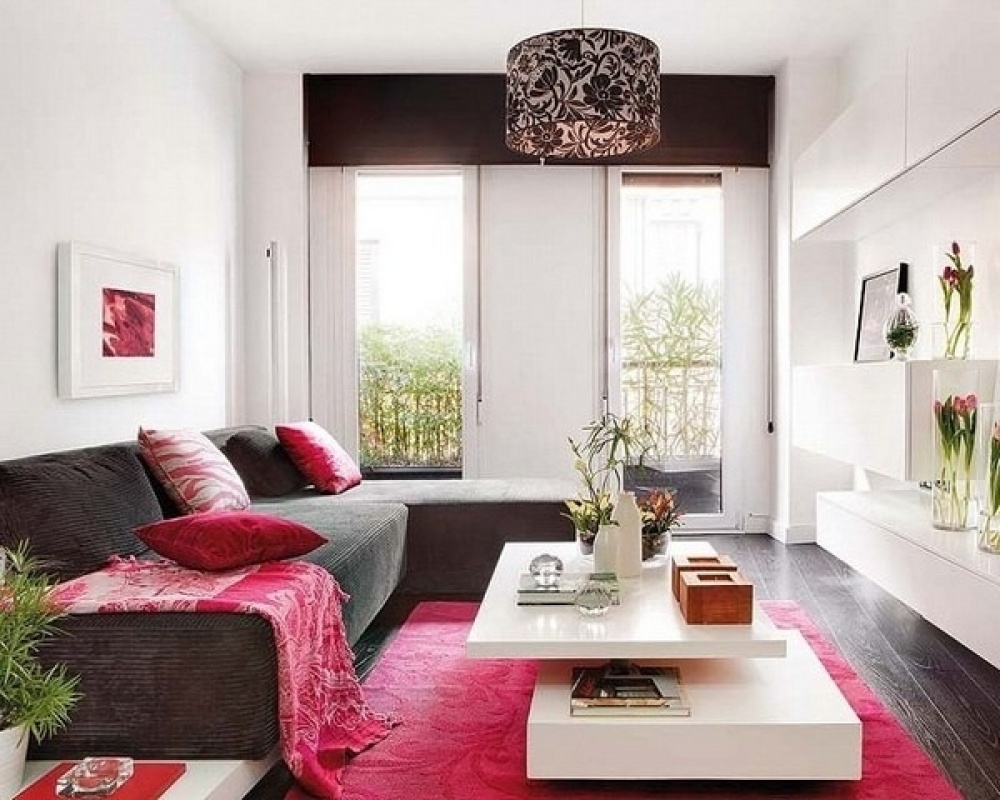
Wall sconces and pendant lights are especially useful because they free floor space compared to table lamps.
Use Transparent or Slim Furniture
Furniture that allows light to pass through reduces visual heaviness.
Examples include:
- Glass coffee tables
- Acrylic chairs
- Slim profile shelving units
- Narrow console tables
These elements create structure without blocking sightlines.
Define Zones Without Adding Walls
Small homes often serve multiple purposes within one room. Creating subtle zones improves organization without reducing openness.
Effective zoning methods include:
- Area rugs
- Lighting variations
- Furniture placement
- Open shelving dividers
This approach keeps functionality clear while preserving visual flow.
Add Height with Curtains and Artwork Placement
Vertical emphasis naturally expands perceived ceiling height.
Helpful techniques include:
- Hanging curtains closer to the ceiling instead of window frames
- Using tall artwork instead of wide arrangements
- Installing vertical wall panels or shelving
These adjustments guide the eye upward, making rooms feel taller and more balanced.
FAQ Section
How can I make a small room feel larger without renovation
Use light wall colors, mirrors, vertical storage, and furniture with exposed legs. These simple updates improve openness without structural changes.
What type of sofa works best in a compact living room
Choose slim profile sofas with raised legs or modular seating that adapts to changing layouts.
Are dark colors always unsuitable for small spaces
Not necessarily. Dark colors can work well as accents when balanced with lighter surroundings and proper lighting.
How many decorative items should I place in a small room
Keep decorations limited to a few intentional pieces that reflect your personality without overwhelming surfaces.
Do rugs make a small space look smaller
Large rugs that anchor furniture can actually unify a space and make it appear larger when sized correctly.
What is the best lighting strategy for compact interiors
Layered lighting using ambient, task, and accent sources creates depth and prevents flat looking rooms.
Can open shelving make a room feel cluttered
Open shelving works well when items are arranged neatly and color coordinated. Overloading shelves can create visual congestion.