When Is the Right Time to Schedule Chimney Sweeping?
A fireplace adds warmth, comfort, and character to a home, especially during colder months. However, many homeowners overlook the importance of regular chimney maintenance until visible problems appear. Creosote buildup, soot accumulation, blockages, and poor ventilation can increase fire risks and reduce indoor air quality. Scheduling chimney sweeping at the right time helps maintain home safety, heating efficiency, and proper fireplace performance throughout the year.
Many homeowners wonder how often to schedule chimney sweeping to keep their fireplace operating safely and efficiently. Industry professionals generally recommend annual chimney inspections and cleaning for most households, especially if the fireplace is used frequently during fall and winter. Regular sweeping removes flammable creosote buildup while improving airflow, reducing smoke issues, and helping heating systems perform more effectively during colder seasons.
Why Chimney Sweeping Matters for Home Safety
A chimney works as a ventilation system that directs smoke, gases, and combustion byproducts safely outside the home. Over time, soot and creosote naturally collect inside the flue.
The Dangers of Creosote Buildup
Creosote is a highly flammable substance produced when wood burns incompletely. If left untreated, heavy buildup can ignite and cause dangerous chimney fires. These fires may spread quickly into roofing structures, walls, or attic spaces, creating significant property damage and safety risks for homeowners and families.
Regular maintenance also helps identify structural problems such as cracks, moisture intrusion, damaged liners, or animal nests that may interfere with safe fireplace operation.
Signs Your Chimney Needs Immediate Attention
Some chimney problems develop gradually, while others create noticeable warning signs. Homeowners should never ignore symptoms that indicate restricted airflow or buildup inside the chimney system.
Common Chimney Warning Signs
Smoke entering living areas, strong fireplace odors, excessive soot, poor draft performance, and visible debris near the fireplace opening often suggest the chimney requires cleaning or inspection.
Homeowners researching how often to schedule chimney sweeping frequently discover that usage habits strongly affect cleaning frequency. Wood-burning fireplaces used daily during winter may require more frequent maintenance compared to occasional seasonal use. Gas fireplaces also benefit from periodic inspections to ensure safe ventilation and proper operation.
Warning Signs That Require Inspection:
- Strong smoky odors indoors
- Black soot around the fireplace
- Difficulty starting fires
- Smoke backing into rooms
- Excessive creosote buildup
- Animal sounds inside the chimney
Addressing these issues early helps prevent larger safety concerns.
Best Times of Year for Chimney Sweeping
Timing plays an important role in effective chimney maintenance. Certain seasons provide better scheduling opportunities and preparation benefits.
Why Late Summer and Early Fall Are Ideal
Many professionals recommend chimney sweeping before the heating season begins. Late summer or early fall appointments allow homeowners to prepare fireplaces before colder weather increases demand for service appointments.
Early scheduling also helps identify needed repairs before heavy fireplace use begins. Waiting until winter may result in longer service delays during peak demand periods.
How Fireplace Usage Affects Cleaning Frequency
Not every household uses its fireplace the same way. Chimney maintenance schedules should reflect how often the fireplace operates throughout the year.
Heavy Use vs. Occasional Use
Homes using wood-burning fireplaces several times each week often accumulate creosote more rapidly than homes with occasional fires. Burning unseasoned wood can also increase residue buildup inside the flue.
Factors That Influence Cleaning Frequency:
- Frequency of fireplace use
- Type of wood burned
- Moisture content of firewood
- Chimney age and condition
- Ventilation performance
- Previous maintenance history
Understanding these factors helps homeowners create safer maintenance routines.
Chimney Sweeping Improves Heating Efficiency
A clean chimney contributes to better airflow and improved heating performance during colder months. Restricted ventilation forces fireplaces to work harder while reducing overall comfort.
Benefits of Proper Airflow
Clean chimneys help fires burn more efficiently by allowing smoke and combustion gases to exit properly. Better ventilation can also reduce indoor smoke exposure and improve indoor air quality during fireplace operation.
Efficient airflow supports home comfort while reducing unnecessary strain on heating systems during winter weather.
Chimney Inspections Help Detect Hidden Problems
Professional chimney inspections provide more than simple cleaning. Certified technicians evaluate the entire system for damage, safety concerns, and ventilation issues.
Problems Often Found During Inspections
Technicians may identify cracked liners, loose masonry, water damage, damaged flashing, or obstructions caused by leaves or animals. Early repairs help prevent larger structural problems that may become expensive over time.
Benefits of Professional Chimney Maintenance:
- Reduced chimney fire risk
- Better indoor air quality
- Improved fireplace performance
- Safer home heating
- Early structural problem detection
- Longer chimney lifespan
Professional maintenance protects both safety and property value.
Moisture Can Damage Chimney Systems
Water intrusion is one of the most common causes of chimney deterioration. Rain, snow, and condensation can weaken masonry and metal components over time.
How Moisture Impacts Chimneys
Excess moisture may crack bricks, damage mortar joints, rust dampers, and weaken chimney liners. Freeze-thaw cycles during winter can accelerate structural damage if moisture enters unprotected areas.
Regular inspections help identify water-related problems before significant repairs become necessary.
DIY Maintenance Has Limits
While homeowners can remove light debris around fireplace openings, full chimney cleaning should generally be handled by trained professionals with specialized equipment.
Why Professional Sweeping Matters
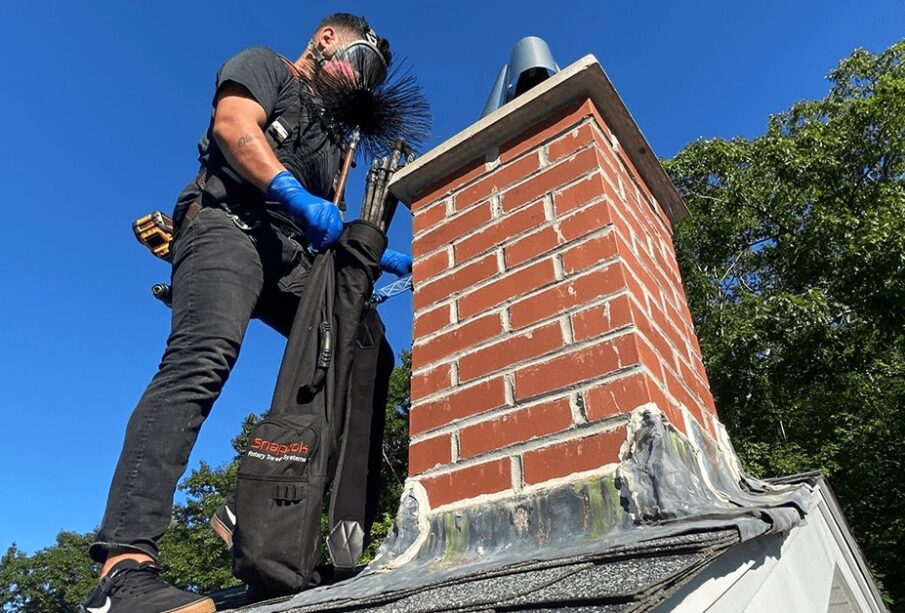
Certified chimney sweeps use inspection cameras, brushes, and vacuum systems to remove buildup safely and evaluate hidden damage. Improper cleaning methods may miss dangerous creosote deposits or damage chimney liners.
Professional service provides greater confidence that the system operates safely during the heating season.
Conclusion
Scheduling regular chimney sweeping is essential for maintaining fireplace safety, heating efficiency, and healthy indoor air quality. Annual inspections and cleanings help remove dangerous creosote buildup, improve ventilation, and identify hidden structural issues before they become serious problems. Homeowners who use fireplaces frequently may require more frequent maintenance depending on fuel type and usage habits. By scheduling chimney sweeping before peak heating season and working with qualified professionals, homeowners can protect their property, reduce fire risks, and enjoy safer, more efficient fireplace performance throughout the winter months.