Sustainable Decor Ideas for Eco-Friendly Living
Creating a home that reflects both personal style and environmental responsibility is increasingly important in modern living. Sustainable decor focuses on thoughtful choices that reduce waste, conserve resources, and support healthier indoor environments. By selecting eco-conscious materials, reusing existing items, and embracing nature-inspired design, it becomes possible to build a space that is both attractive and responsible.
This guide explores practical and inspiring sustainable decor ideas that help transform everyday interiors into greener living spaces without sacrificing comfort or aesthetics.
Choose Furniture Made from Reclaimed and Recycled Materials
Furniture production often requires significant natural resources. Selecting reclaimed or recycled materials helps reduce environmental impact while adding unique character to your home.
Consider these sustainable furniture choices:
- Reclaimed wood tables and shelves
- Upcycled pallet seating and storage units
- Vintage furniture restored instead of replaced
- Pieces made from recycled metal or composite materials
Older furniture frequently features stronger craftsmanship than many modern mass-produced options. Refinishing or repainting these items extends their lifespan while maintaining authenticity.
Decorate with Indoor Plants for Natural Balance
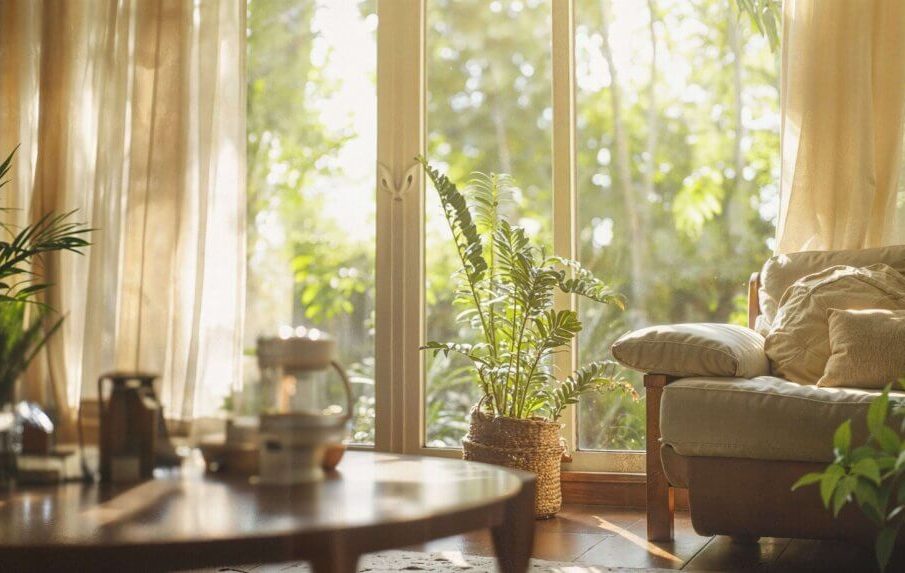
Indoor plants are one of the simplest and most effective ways to create a sustainable atmosphere at home. They enhance visual appeal while contributing to a fresher indoor environment.
Benefits of decorating with plants include:
- Improved indoor air quality
- Natural humidity balance
- Reduced stress levels
- A calming connection to nature
Choose low-maintenance varieties such as snake plants, pothos, and peace lilies if you are new to plant care.
Use Natural and Organic Textiles
Textiles play a major role in shaping the comfort and appearance of a home. Choosing natural fabrics supports healthier living and reduces exposure to synthetic materials.
Look for options such as:
- Organic cotton bedding and cushions
- Linen curtains and upholstery
- Jute or bamboo rugs
- Hemp fabric throws and covers
These materials are breathable, durable, and biodegradable, making them ideal for environmentally responsible interiors.
Switch to Energy-Efficient Lighting Solutions
Lighting significantly influences both mood and energy consumption. Energy-efficient lighting helps reduce electricity use while maintaining visual warmth and functionality.
Practical improvements include:
- Replacing incandescent bulbs with LED alternatives
- Installing dimmable lighting systems
- Using solar-powered decorative lights where possible
- Maximizing natural daylight through window placement and mirrors
Strategic lighting choices can transform a space while lowering long-term utility costs.
Embrace Upcycling for Creative Personalization
Upcycling transforms unused objects into meaningful decorative features. Instead of discarding items, they can be repurposed into functional and stylish elements.
Creative upcycling ideas include:
- Turning glass jars into candle holders
- Converting ladders into shelving units
- Reusing wooden crates for storage
- Transforming old fabrics into cushion covers
These projects add personality to interiors while minimizing waste generation.
Choose Low-VOC Paints and Finishes
Paint and finishes often release chemicals that affect indoor air quality. Selecting low-VOC or zero-VOC alternatives supports healthier living environments.
Benefits of eco-friendly paints include:
- Reduced indoor air pollution
- Minimal odor during application
- Safer conditions for children and pets
- Long-term environmental advantages
Neutral tones inspired by nature often complement sustainable decor themes effectively.
Support Local Artisans and Ethical Brands
Purchasing handmade items from local craftspeople supports responsible production practices and strengthens regional economies.
Examples of artisan decor choices include:
- Handwoven baskets
- Ceramic tableware
- Natural fiber wall hangings
- Handcrafted wooden accents
These pieces often carry cultural value while reducing the environmental footprint associated with large-scale manufacturing and shipping.
Reduce Decorative Clutter with Mindful Styling
Minimalist styling aligns naturally with sustainability because it encourages thoughtful ownership rather than accumulation.
Adopt these habits for mindful decorating:
- Choose fewer but higher-quality pieces
- Rotate seasonal decor instead of buying new items
- Prioritize multifunctional furniture
- Display meaningful rather than purely decorative objects
Intentional styling helps create calm, balanced interiors that remain visually appealing over time.
Incorporate Natural Elements into Everyday Spaces
Nature-inspired decor creates warmth while reinforcing environmental awareness.
Consider adding:
- Stone accents for texture
- Wooden bowls and trays
- Clay planters
- Woven storage baskets
These elements introduce organic structure and timeless appeal into modern interiors.
Frequently Asked Questions
What is the easiest way to start decorating sustainably at home
Begin by repurposing items you already own and adding indoor plants. Small changes can create noticeable improvements without requiring major investments.
Are sustainable decor products more expensive than regular decor items
Some eco-friendly products may cost slightly more initially, but they typically last longer and provide better long-term value.
How can I identify environmentally responsible decor materials
Look for natural fibers, recycled materials, certified wood sources, and low-VOC finishes when selecting decor products.
Can sustainable decor work with modern interior styles
Yes. Sustainable decor complements modern interiors through minimalism, neutral palettes, and functional design choices.
Is secondhand furniture a reliable option for eco-friendly homes
Secondhand furniture is one of the most effective sustainable choices because it reduces manufacturing demand and extends product life cycles.
Do indoor plants really improve the indoor environment
Indoor plants help regulate humidity and contribute to a calming atmosphere, making them beneficial additions to most living spaces.
How often should sustainable decor elements be replaced
High-quality sustainable decor items are designed for durability and should only be replaced when necessary rather than frequently updated.