How Regular Vacuuming Supports Better Pest Control at Home
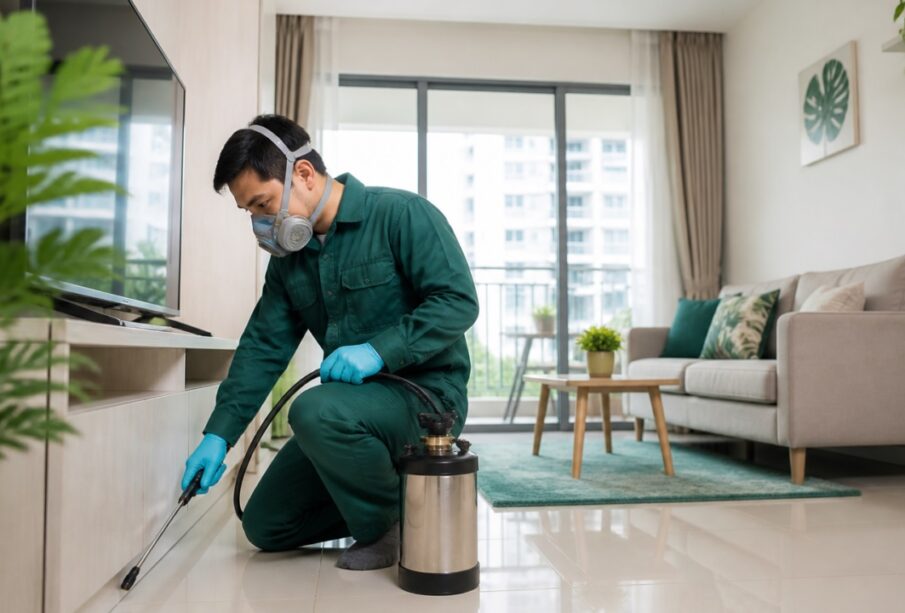
Vacuuming is one of the simplest household chores, but it is also one of the most effective ways to support pest control. While many homeowners vacuum to keep their floors looking clean, this routine task does much more than improve appearance. It removes food crumbs, dust, pet hair, and other debris that can attract unwanted pests. Regular vacuuming helps create a cleaner home and reduces the conditions that allow pests to thrive.
Many insects and rodents are attracted to tiny food particles that are often difficult to notice. Crumbs beneath the dining table, around the kitchen, or under furniture may seem insignificant, but they can provide enough food to attract pests. Vacuuming regularly removes these hidden food sources before they become a problem.
Carpets are one of the most important areas to vacuum. Dust, dirt, crumbs, and pet hair naturally collect deep within carpet fibers over time. Without regular cleaning, these materials create an environment that is more attractive to pests. Vacuuming carpets thoroughly helps maintain cleanliness while supporting effective pest control.
Area rugs should also be cleaned frequently. Rugs placed in living rooms, hallways, and entryways collect dirt from shoes and everyday foot traffic. Vacuuming both sides of rugs occasionally helps remove trapped dust and debris that may otherwise remain unnoticed.
Simple vacuuming habits that improve pest control include:
- Vacuum carpets, rugs, and hard floors on a regular schedule.
- Clean under furniture where crumbs and dust often collect.
- Empty the vacuum container or bag after cleaning.
Living room furniture deserves regular attention as well. Sofas and chairs often collect food crumbs, pet hair, and dust between cushions and underneath the furniture. Vacuuming these areas helps eliminate hidden debris while keeping the room cleaner and more comfortable.
The dining room is another place where vacuuming is especially important. Food particles frequently fall beneath the table during meals, particularly in homes with children. Vacuuming the floor after meals or at least several times each week helps prevent these crumbs from attracting pests.
Bedrooms should not be overlooked. Dust naturally accumulates beneath beds, behind dressers, and inside closets. Vacuuming these less visible areas helps remove debris while making it easier to inspect for signs of pest activity.
Hallways, staircases, and entryways also benefit from regular vacuuming. Dirt carried indoors on shoes can collect in these high-traffic areas. Keeping them clean improves the overall condition of the home while reducing materials that may attract pests.
Homeowners with pets should vacuum even more frequently. Pet hair, food crumbs around feeding areas, and tracked-in dirt can quickly build up if left unattended. Regular vacuuming keeps pet areas cleaner while supporting the home’s overall pest control routine.
Vacuuming behind large appliances is another important task. Refrigerators, ovens, washing machines, and dryers often collect dust and food particles in hard-to-reach spaces. Moving appliances occasionally to vacuum underneath helps eliminate hidden food sources and allows homeowners to inspect for moisture or signs of pests.
Storage areas such as garages, basements, and utility rooms should also be vacuumed periodically. Although these spaces may not require daily cleaning, removing dust and debris makes them less attractive to pests and easier to inspect.
Using the proper vacuum attachments helps clean corners, baseboards, and narrow spaces where dust tends to accumulate. These areas are often overlooked during routine cleaning but can provide shelter for pests if neglected.
Regular vacuum maintenance is equally important. Emptying the vacuum bag or container after use prevents collected debris from remaining inside the machine. Cleaning or replacing filters according to the manufacturer’s instructions also helps maintain strong performance.
Vacuuming works best when combined with other good housekeeping habits such as proper food storage, moisture control, organized storage areas, and routine inspections. Together, these practices create a home environment where pests find it much harder to survive.
In conclusion, regular vacuuming is a simple yet valuable part of effective pest control. By removing food crumbs, dust, pet hair, and hidden debris from carpets, furniture, and hard-to-reach areas, homeowners reduce the conditions that attract pests. Making vacuuming part of a consistent cleaning routine helps create a cleaner, healthier, and more comfortable home while providing long-term protection against unwanted pest activity.