Smart Technology Integration During Home Renovation
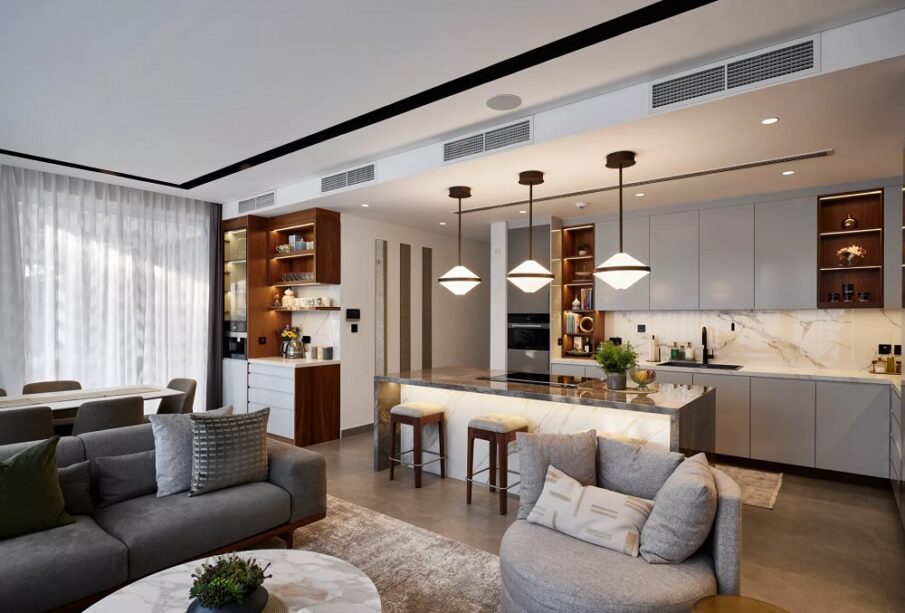
Home renovation today goes far beyond aesthetics. Integrating smart technology during the remodeling phase allows homeowners to improve efficiency, comfort, safety, and long-term property value. Planning these upgrades early ensures seamless installation, reduced labor costs, and better system compatibility across the entire house.
Whether upgrading a single room or redesigning the whole property, thoughtful smart-home integration transforms a traditional house into a responsive and future-ready living environment.
Why Integrate Smart Technology During Renovation
Renovation offers the perfect opportunity to embed technology directly into the structure rather than adding devices later as standalone upgrades. This approach reduces clutter and improves performance reliability.
Key advantages include:
- Hidden wiring for cleaner interiors
- Improved connectivity between devices
- Lower installation costs compared to retrofitting
- Increased energy efficiency
- Higher resale value of the property
- Greater customization based on lifestyle needs
Planning early also ensures compatibility between lighting systems, security infrastructure, and automation platforms.
Smart Lighting Systems for Modern Homes
Lighting plays a major role in home automation and comfort. During renovation, replacing traditional wiring with smart lighting infrastructure makes future upgrades effortless.
Popular smart lighting solutions include:
- Motion sensor lighting for hallways and bathrooms
- App-controlled brightness adjustment
- Voice-controlled lighting scenes
- Automatic daylight-responsive illumination
- Scheduled indoor and outdoor lighting
These features improve energy savings while enhancing ambience across living spaces.
Smart Climate Control and Energy Efficiency
Climate control systems significantly influence energy consumption. Smart thermostats and zoned HVAC automation allow homeowners to maintain comfort while reducing unnecessary electricity use.
Benefits of installing smart climate systems during renovation include:
- Room-specific temperature control
- Automatic adjustment based on occupancy
- Integration with weather forecasts
- Remote monitoring through mobile applications
- Lower monthly energy bills
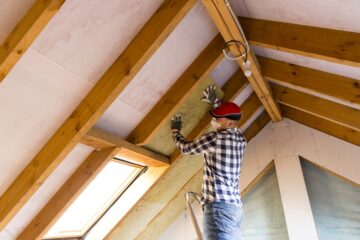
Installing these systems while walls and ceilings are open simplifies wiring and sensor placement.
Integrated Smart Security Systems
Security upgrades are among the most valuable additions during renovation projects. A centralized system ensures complete monitoring and control across entry points and living spaces.
Essential smart security components include:
- Video doorbells with remote viewing
- Smart locks with keyless access
- Indoor and outdoor surveillance cameras
- Motion detection sensors
- Automated alarm systems
Integrating security technology during structural upgrades allows concealed wiring and stronger connectivity between devices.
Smart Kitchens and Connected Appliances
Modern kitchens are becoming the technological center of many homes. Integrating smart appliances during renovation improves convenience and workflow efficiency.
Common upgrades include:
- Smart refrigerators with inventory tracking
- Voice-controlled cooking appliances
- App-connected ovens
- Touchless faucets
- Automated lighting inside cabinets and counters
These features reduce daily effort while supporting better energy management.
Whole-Home Automation Hubs
A smart home functions best when all systems communicate through a centralized automation hub. Installing structured wiring and hub infrastructure during renovation ensures smooth operation across connected devices.
Automation hubs allow homeowners to:
- Control lighting, temperature, and security from one interface
- Schedule daily routines automatically
- Monitor energy usage in real time
- Manage devices remotely from smartphones
- Expand future automation easily
Planning this infrastructure early prevents compatibility limitations later.
Smart Entertainment and Media Integration
Entertainment technology can be seamlessly integrated into renovated spaces for a cleaner and more immersive experience.
Typical installations include:
- Built-in surround sound wiring
- Hidden projector setups
- Voice-controlled media systems
- Wall-mounted smart televisions
- Multi-room audio systems
These upgrades eliminate visible cables and improve acoustic performance throughout the home.
Structured Wiring for Future Scalability
Structured wiring is the backbone of a reliable smart home. Installing ethernet lines, sensor pathways, and centralized control panels during renovation prepares the house for future technological upgrades.
Important wiring considerations include:
- Dedicated networking cabinet installation
- High-speed data cabling between rooms
- Backup power connections for automation systems
- Smart switch-compatible electrical layouts
- Provision for future device expansion
Future-ready infrastructure reduces renovation costs later.
Budget Planning for Smart Home Renovation
Smart technology integration should align with renovation priorities and financial planning. A phased implementation approach works well for many homeowners.
Recommended budgeting strategy:
- Begin with wiring infrastructure
- Upgrade security systems first
- Add climate control automation
- Install smart lighting
- Expand to appliances and entertainment systems
This staged approach ensures balanced investment without compromising functionality.
Choosing the Right Smart Home Ecosystem
Selecting compatible devices within one ecosystem improves performance and reliability.
Factors to evaluate include:
- Device compatibility across brands
- Mobile application usability
- Voice assistant integration support
- Security encryption standards
- Availability of future upgrades
A unified ecosystem simplifies operation and reduces maintenance complexity.
Long-Term Benefits of Smart Renovation Planning
Homes equipped with integrated technology offer long-term lifestyle advantages.
Key outcomes include:
- Improved daily convenience
- Reduced energy consumption
- Enhanced safety monitoring
- Better property valuation
- Greater adaptability for future upgrades
Smart renovation planning transforms homes into responsive living environments designed for evolving needs.
FAQ Section
1. Is it cheaper to install smart technology during renovation than afterward
Yes. Installing smart infrastructure during renovation reduces labor costs because wiring and device placement can be completed before walls and ceilings are sealed.
2. Do smart homes increase property resale value
Homes equipped with integrated automation systems often attract more buyers and can command higher resale prices compared to traditional properties.
3. Can smart systems work during internet outages
Many systems continue functioning locally through internal hubs, though remote access features may temporarily stop working.
4. Are smart home devices safe from hacking risks
Using secure networks, strong passwords, and trusted manufacturers significantly reduces cybersecurity risks.
5. How much planning time is required before installation
Planning typically begins during early renovation design stages to ensure wiring layouts and device placement align with structural work.
6. Can older homes support full smart integration
Yes. With proper structured wiring and compatible hubs, older homes can successfully support modern automation systems.
7. What is the most important smart upgrade to start with
Structured wiring and a central automation hub form the foundation for expanding smart features across the entire home later.