Bedroom Interior Design Tips for Comfort
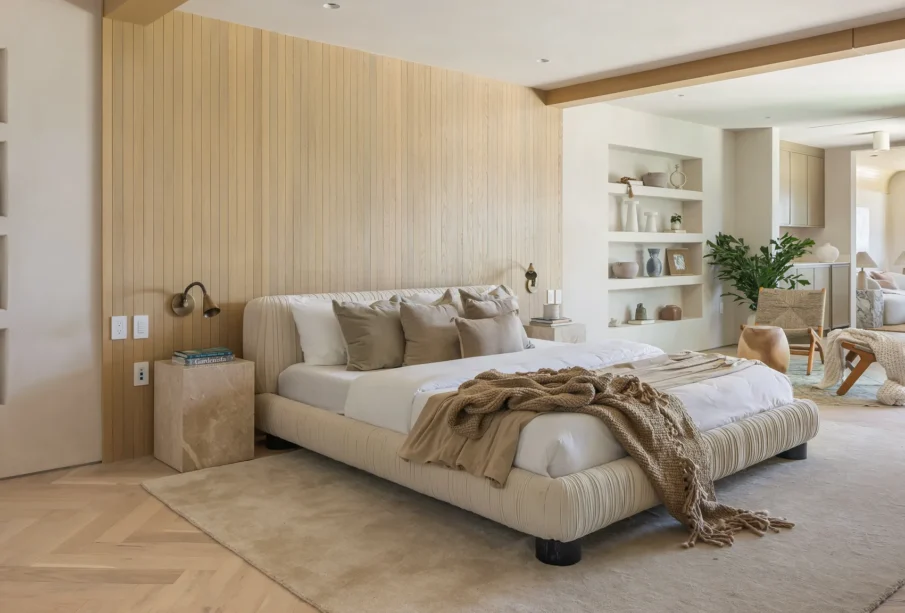
A bedroom should feel like a calm retreat rather than just a place to sleep. Thoughtful interior design can improve rest quality, reduce stress, and create a personal sanctuary that reflects your lifestyle. By combining smart layout planning, soft textures, balanced lighting, and soothing colors, any bedroom can become more comfortable and inviting.
The following practical tips focus on comfort, functionality, and aesthetic harmony so your bedroom supports both relaxation and daily routines.
Choose a Calm and Balanced Color Palette
Color strongly influences mood and sleep quality. Soft and muted tones help create a restful atmosphere that encourages relaxation.
Recommended color directions include:
- Warm neutrals such as beige, cream, and taupe
- Soft pastels like dusty blue or sage green
- Earth tones including terracotta and muted olive
- Light greys paired with warm undertones
Avoid overly bright or highly saturated colors on large surfaces because they can overstimulate the senses.
Layer tones within the same palette rather than relying on one flat color. This adds depth without visual clutter.
Invest in Comfortable Bedding Layers
The bed is the focal point of any bedroom and the most important contributor to comfort.
Create a layered bedding setup using:
- A breathable mattress protector
- High-quality cotton or linen sheets
- A supportive pillow combination
- A soft duvet or comforter
- A textured throw blanket
Layering improves both visual appeal and temperature adaptability throughout the year.
Choose breathable natural fabrics whenever possible for better sleep comfort.
Optimize Bedroom Lighting for Relaxation
Lighting plays a major role in shaping the mood of a bedroom.
Use a combination of lighting types:
- Ambient lighting for overall illumination
- Bedside lamps for reading
- Accent lighting for warmth and depth
- Warm temperature bulbs rather than cool white tones
Soft lighting reduces eye strain and supports natural sleep cycles.
Position bedside lights at a comfortable reading height to improve usability without harsh brightness.
Select Furniture That Supports Movement and Simplicity
Comfort also depends on how easily you can move around the room.
Choose furniture that fits the room size without overcrowding.
Key layout recommendations:
- Keep clear walking paths around the bed
- Avoid oversized wardrobes in compact spaces
- Use multifunctional storage pieces
- Maintain symmetry near the bed for visual balance
A simplified layout creates mental clarity and physical ease.
Add Soft Textures for Warmth and Coziness
Texture adds depth and comfort even when the color palette is minimal.
Consider including:
- Area rugs beside the bed
- Upholstered headboards
- Cotton curtains
- Knitted throws
- Cushions in varied fabrics
Combining textures helps the space feel layered and inviting without adding clutter.
Improve Storage Without Compromising Style
Clutter reduces comfort and visual calm.
Smart storage solutions include:
- Under-bed storage drawers
- Built-in wardrobes
- Floating shelves
- Storage benches at the foot of the bed
Keep frequently used items accessible and seasonal items stored out of sight.
Organized spaces naturally feel more relaxing.
Control Temperature and Airflow
Comfort depends heavily on how the bedroom feels physically.
Improve environmental comfort by:
- Using breathable curtains
- Allowing cross ventilation
- Choosing seasonal bedding layers
- Maintaining comfortable indoor temperature levels
Fresh airflow supports deeper sleep and better relaxation.
Introduce Personal Elements Thoughtfully
Personal touches help transform a bedroom into a meaningful space.
Consider adding:
- Framed artwork
- Books
- Indoor plants
- Personal photographs
- A statement headboard wall
Keep decorative elements intentional rather than excessive.
Balance is key to maintaining calmness.
Use Rugs to Anchor the Sleeping Area
A rug adds warmth underfoot and visually defines the sleeping zone.
Placement suggestions:
- Extend rug partially under the bed
- Use side runners for narrow layouts
- Select soft textures for barefoot comfort
Choose rug sizes that match bed proportions rather than undersized options.
Keep Technology to a Minimum
Reducing digital distractions improves sleep quality.
Practical strategies include:
- Avoid placing televisions directly opposite the bed
- Keep charging stations away from pillows
- Use soft lighting instead of screen exposure before sleep
A technology-light bedroom supports mental relaxation.
Frequently Asked Questions
What is the best bedroom color for improving sleep quality
Soft neutral tones such as warm beige, muted blue, and sage green are widely preferred because they create a calm environment that supports relaxation.
How can a small bedroom feel more comfortable and spacious
Use light colors, multifunctional furniture, vertical storage, and minimal décor to improve both comfort and perceived space.
Which lighting is ideal for a relaxing bedroom atmosphere
Warm ambient lighting combined with bedside reading lamps creates a balanced and restful environment.
How many pillows should a comfortable bed include
Most comfortable setups include two sleeping pillows per person and one or two decorative cushions for layering.
Are indoor plants suitable for bedroom interiors
Yes. Low-maintenance plants can improve air freshness and add visual calm without requiring much effort.
What type of flooring works best for bedroom comfort
Wood flooring with a soft area rug or carpet provides warmth, comfort underfoot, and acoustic softness.
How often should bedroom layouts be refreshed for better comfort
Small updates such as rearranging furniture, changing bedding textures, or adjusting lighting every season can noticeably improve comfort.