Plumbing Maintenance Tips Every Homeowner Should Follow
A well-maintained plumbing system rarely demands attention, but small problems can quickly become expensive when ignored. From dripping faucets to slow drains and hidden pipe leaks, routine care can help homeowners catch issues before they turn into major repairs. Following practical plumbing maintenance habits is one of the simplest ways to protect your home and avoid unnecessary disruptions.
You do not need to be a professional plumber to keep your system in good shape. A few regular inspections, sensible daily habits, and timely professional help can go a long way. If a problem is beyond a simple fix, working with experienced plumbing services can help ensure the issue is diagnosed and repaired correctly.
Why Plumbing Maintenance Matters
Your plumbing system includes much more than the pipes visible beneath a sink. Water lines, drains, faucets, toilets, water heaters, valves, and connections all work together to deliver clean water and remove wastewater.
Routine maintenance gives homeowners an opportunity to spot warning signs early. A small leak around a fitting, for example, may seem harmless, but continued moisture can damage cabinets, flooring, walls, or other nearby materials.
Regular checks can also help you understand how your plumbing normally operates. When something changes, such as reduced water pressure or an unusually slow drain, you are more likely to recognize that something needs attention.
Plumbing Maintenance Tips Every Homeowner Should Follow
A consistent maintenance routine does not have to be complicated. Start with these practical habits:
● Check for visible leaks: Inspect faucets, supply lines, exposed pipes, and connections for dripping or moisture.
● Watch your water pressure: Unusual changes in pressure can indicate a plumbing problem that deserves investigation.
● Clean drains regularly: Remove hair, food particles, and other debris before they create stubborn blockages.
● Avoid flushing unsuitable items: Toilets are designed for human waste and toilet paper, not wipes, paper towels, or household objects.
● Know your main shutoff valve: Every homeowner should know where the home’s main water shutoff is located and how to operate it.
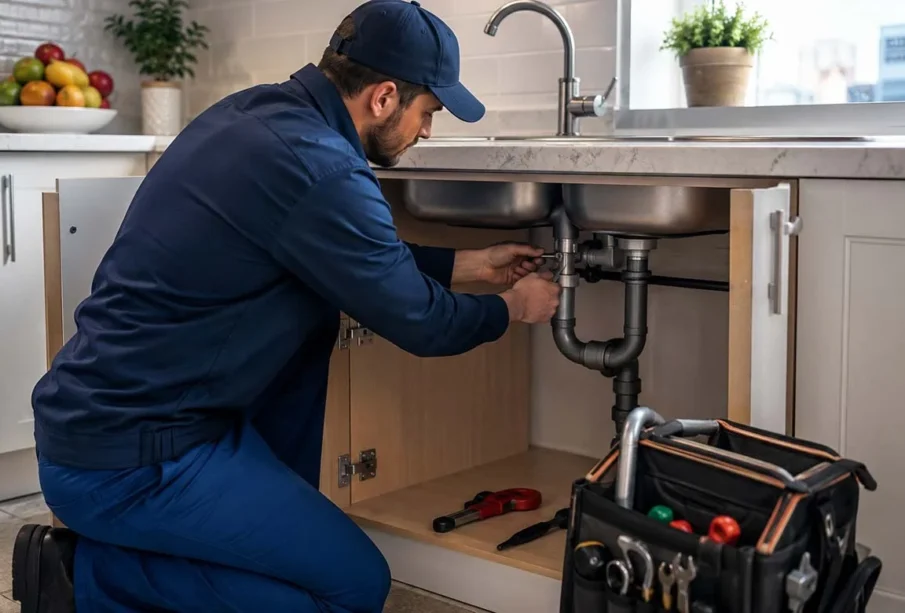
● Inspect under sinks: Look for standing water, damp cabinet floors, corrosion, or damaged supply connections.
● Check outdoor faucets: Before and after periods of extreme weather, inspect outdoor fixtures for leaks or damage.
● Pay attention to unusual sounds: Banging, whistling, or persistent dripping can indicate a problem that should not be ignored.
These simple checks can become part of a monthly household routine.
Keep Drains Clear Without Damaging Your Pipes
Clogged drains are among the most common household plumbing problems. Prevention starts with being careful about what goes down each drain.
In the kitchen, avoid putting grease and cooking oil down the sink. Even when liquid, grease can accumulate inside plumbing as it cools. Use a container for unwanted grease and dispose of it appropriately instead.
Bathroom drains often collect hair and soap residue. A drain strainer can catch debris before it enters the pipe, making routine cleaning easier and reducing the likelihood of blockages.
Be cautious with chemical drain cleaners, too. Some products can be harsh on plumbing components, particularly when used repeatedly or incorrectly. If a drain continues to clog despite reasonable maintenance, the underlying issue may require professional attention.
Protect Your Pipes During Seasonal Changes
Changes in temperature can affect plumbing, particularly in areas that experience freezing weather. Exposed pipes in unheated spaces such as garages, crawl spaces, and exterior walls may be more vulnerable to freezing.
Before cold weather arrives, identify exposed water lines and take appropriate steps to protect them. During freezing conditions, keeping vulnerable areas adequately heated can reduce the risk of frozen pipes.
Homeowners should also know where the water shutoff is located. If a pipe begins leaking or bursts, shutting off the water quickly can limit the amount of water entering the home while you arrange repairs.
Watch for Signs of a Plumbing Problem
Plumbing issues do not always begin with an obvious flood. Some problems develop gradually, making subtle warning signs especially important.
A toilet that frequently runs, a faucet that continues dripping after being turned off, or a drain that repeatedly slows down may indicate that something needs attention. Water stains on ceilings or walls can also signal a leak behind a surface.
Other warning signs include unexplained dampness, musty odors near plumbing fixtures, visible corrosion, or sudden changes in water pressure. Rather than repeatedly treating the symptom, homeowners should investigate the underlying cause.
Common Plumbing Maintenance Mistakes to Avoid
Even well-intentioned homeowners can accidentally make plumbing problems worse. One common mistake is ignoring a minor leak because the amount of water appears insignificant. Persistent leaks can waste water and contribute to damage over time.
Another mistake is using excessive force when trying to loosen or tighten plumbing connections. Damaged fittings can create additional leaks and turn a simple maintenance task into a more complicated repair.
Homeowners should also avoid attempting repairs without understanding the system involved. Shutoff valves, water heaters, gas connections, and concealed pipes can present risks or require specialized knowledge. When you are unsure, professional assistance is often the safer choice.
When to Call a Professional Plumber
Basic maintenance can help prevent problems, but it cannot replace professional diagnosis when something goes wrong. Consider calling a plumber when a problem keeps returning, a leak is difficult to locate, or you notice significant changes in water pressure.
Professional help is particularly important for problems involving hidden leaks, sewer lines, major pipe damage, water heaters, or extensive clogs. Attempting a complex repair without the appropriate tools or experience can cause more damage and potentially increase the final repair cost.
The goal of maintenance is not to handle every plumbing problem yourself. It is to identify problems early and know when a qualified professional should take over.
Build a Simple Plumbing Maintenance Routine
A practical schedule makes maintenance easier to remember. Once a month, inspect visible pipes, faucets, toilets, and areas beneath sinks. Check for moisture, corrosion, unusual sounds, or changes in performance.
Every few months, clean drain strainers, inspect outdoor fixtures, and make sure shutoff valves are accessible. Before seasonal temperature changes, pay particular attention to exposed pipes and other vulnerable plumbing components.
Keeping a basic record of recurring issues and previous repairs can also help. If a problem returns, that information may give a plumber useful context when diagnosing the system.
Conclusion
Effective plumbing maintenance is an important part of responsible homeownership. Regularly inspecting pipes, faucets, toilets, drains, water connections, and other plumbing fixtures allows homeowners to recognize potential problems before they become expensive emergencies. Preventive habits such as avoiding grease in kitchen drains, removing hair from bathroom drains, protecting exposed pipes during cold weather, and addressing persistent leaks can help maintain a dependable plumbing system. However, not every plumbing problem should be handled as a DIY project.
Hidden leaks, recurring clogs, damaged pipes, water heater issues, and significant changes in water pressure often require professional diagnosis and repair. The key is to stay proactive rather than waiting for a plumbing emergency. With consistent plumbing maintenance, homeowners can reduce avoidable damage, protect their property, and keep their home’s water and drainage systems working properly for years to come.