Renovating for Energy Efficiency and Savings
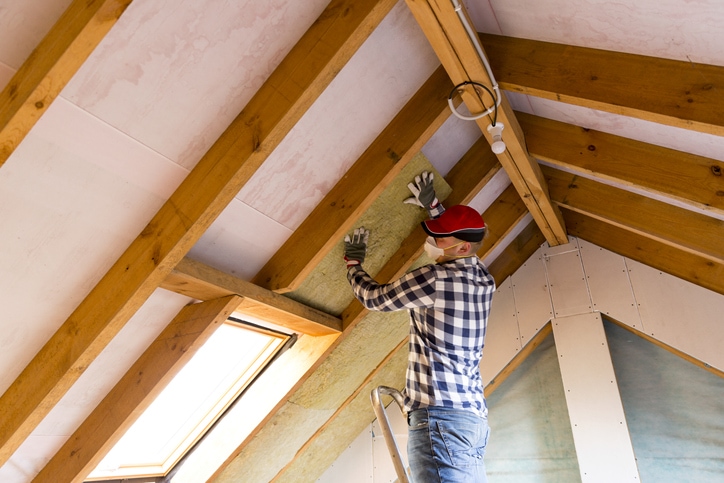
Energy-efficient renovation is no longer just an environmental choice. It is a practical strategy to reduce long-term expenses, improve comfort, and increase property value. With rising electricity costs and changing climate conditions, homeowners are increasingly focusing on smarter upgrades that reduce energy consumption without sacrificing lifestyle quality.
This guide explains how thoughtful renovation decisions can transform a home into a more efficient, cost-saving, and future-ready living space.
Why Energy-Efficient Renovation Matters
Energy-efficient homes consume fewer resources while maintaining optimal indoor comfort. Strategic upgrades reduce dependence on artificial heating and cooling systems, lower utility bills, and improve indoor air quality.
Key benefits include:
- Reduced monthly electricity expenses
- Improved thermal comfort throughout the year
- Higher resale value of property
- Lower environmental impact
- Increased durability of building systems
Small improvements made during renovation often produce measurable savings over time.
Upgrade Insulation for Immediate Savings
Insulation plays a central role in reducing energy loss. Poor insulation allows heat to escape during winter and enter during summer, forcing cooling and heating systems to work harder.
Focus renovation efforts on:
- Attic insulation
- Wall cavity insulation
- Floor insulation where possible
- Roof thermal protection layers
Modern insulation materials such as mineral wool, rigid foam boards, and spray foam significantly improve indoor temperature stability.
Replace Old Windows with Energy-Efficient Alternatives
Windows contribute heavily to heat transfer inside buildings. Replacing outdated single-pane windows with double or triple glazing reduces unwanted thermal exchange.
Benefits include:
- Reduced cooling demand in summer
- Less heat loss in winter
- Lower outside noise intrusion
- Improved indoor comfort levels
Low-emissivity coated glass improves performance even further by reflecting indoor heat back into the home.
Improve Lighting Efficiency Throughout the House
Switching to modern lighting solutions is one of the fastest ways to reduce electricity usage.
Recommended upgrades include:
- Replace incandescent bulbs with LED lighting
- Install motion sensor lighting in corridors
- Use daylight-responsive lighting controls
- Add skylights to increase natural illumination
LED lighting consumes significantly less electricity while lasting much longer than traditional bulbs.
Upgrade Heating and Cooling Systems
Older heating and cooling equipment consumes excessive electricity. Replacing outdated systems improves efficiency immediately.
Effective renovation upgrades include:
- Installing inverter-based air conditioning systems
- Adding programmable thermostats
- Switching to heat pumps where climate permits
- Servicing ductwork to eliminate leakage
Smart thermostats automatically adjust temperatures based on occupancy patterns, reducing unnecessary energy usage.
Install Solar Panels for Long-Term Savings
Solar energy systems provide one of the most impactful returns on renovation investment. Even partial rooftop solar installations reduce dependence on grid electricity.
Advantages include:
- Lower electricity bills over time
- Increased property market value
- Protection against future tariff increases
- Reduced environmental footprint
Government incentives and net-metering policies in many regions make solar adoption financially attractive.
Improve Ventilation for Better Efficiency
Efficient ventilation reduces humidity buildup and improves indoor air circulation. Proper airflow prevents overheating and reduces reliance on mechanical cooling systems.
Renovation improvements may include:
- Installing exhaust fans in kitchens and bathrooms
- Adding cross-ventilation openings
- Using ventilated roofing systems
- Integrating energy recovery ventilators
Balanced airflow maintains healthier indoor environments while reducing energy demand.
Upgrade Appliances During Renovation
Many homeowners overlook appliance efficiency when planning renovations. However, replacing outdated equipment contributes significantly to energy savings.
Consider replacing:
- Refrigerators
- Washing machines
- Dishwashers
- Water heaters
Energy-rated appliances consume less electricity while delivering better performance and reliability.
Seal Air Leaks Around the Home
Air leakage is a hidden source of energy waste. Even small gaps around doors, windows, and service ducts allow conditioned air to escape.
Effective sealing techniques include:
- Weather stripping door frames
- Caulking window joints
- Sealing electrical outlet gaps
- Closing attic leakage points
These low-cost improvements provide immediate savings with minimal renovation effort.
Use Reflective Roofing Materials
Reflective roofing surfaces reduce solar heat absorption and help maintain cooler indoor temperatures during hot seasons.
Popular renovation options include:
- Reflective roof coatings
- Cool roof tiles
- Insulated metal roofing systems
Such solutions are especially effective in regions with strong sunlight exposure.
Plan Renovation with Long-Term Energy Goals
Energy-efficient renovation works best when planned holistically rather than through isolated upgrades.
A strategic renovation plan should consider:
- Local climate conditions
- Building orientation
- Occupancy patterns
- Future electricity usage expectations
Combining multiple efficiency improvements produces the greatest financial benefits.
Frequently Asked Questions
What is the most cost-effective energy renovation upgrade
Lighting replacement with LED fixtures and sealing air leaks typically produce the fastest and most affordable improvements in energy savings.
How much can energy-efficient renovation reduce electricity bills
Savings depend on renovation scope, but comprehensive upgrades often reduce energy costs between twenty and forty percent.
Are solar panels suitable for all homes
Solar panels work best on roofs with good sunlight exposure and minimal shading throughout the day.
Do energy-efficient windows make a noticeable difference
Yes. Double-glazed windows significantly reduce heat transfer and improve indoor comfort levels.
Is insulation necessary in warm climates
Yes. Insulation prevents outdoor heat from entering the building and reduces cooling requirements during summer.
How long does it take to recover renovation investment costs
Most homeowners recover costs within three to eight years depending on the upgrades selected.
Can energy-efficient renovation increase property resale value
Yes. Buyers increasingly prefer homes with lower operating costs and modern energy-saving features.