Roof Replacement Tips Every Homeowner Should Know
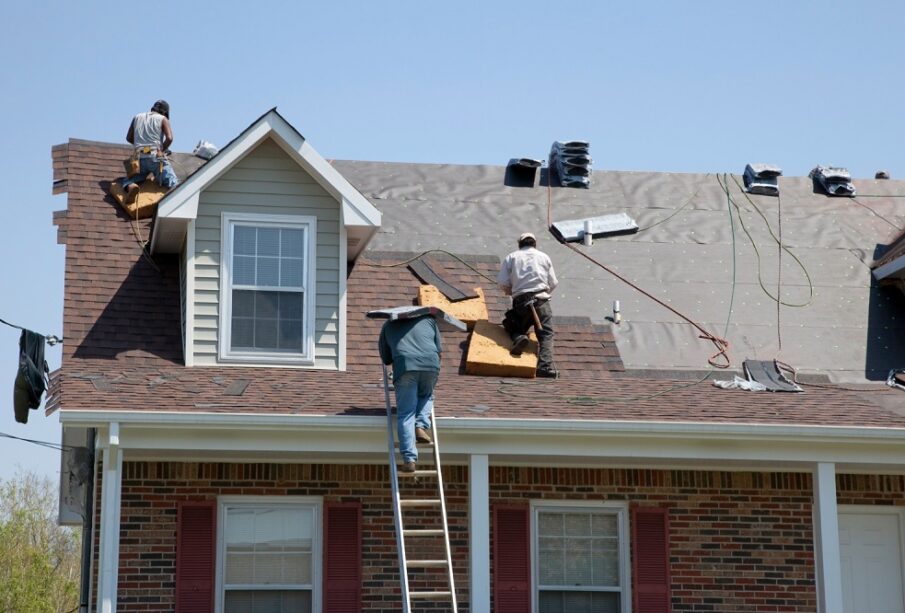
Replacing a roof is one of the most important investments a homeowner makes. A properly installed roof protects your home from weather damage, improves energy efficiency, and enhances property value. Understanding the process before work begins helps avoid costly mistakes and ensures long-lasting results.
Below are practical and essential roof replacement tips every homeowner should know before starting the project.
Understand When Your Roof Needs Replacement
Many homeowners wait too long before replacing their roofs, which can lead to structural damage and expensive repairs.
Watch for these warning signs:
- Missing or curling shingles
- Frequent leaks or water stains on ceilings
- Sagging roof structure
- Mold or moss growth
- Granules collecting in gutters
- Roof age exceeding 20 to 25 years for asphalt shingles
If several of these signs appear together, replacement is often more cost-effective than repeated repairs.
Choose the Right Roofing Material
Selecting the correct roofing material affects durability, maintenance needs, and long-term performance.
Common options include:
Asphalt shingles
- Affordable
- Easy installation
- Suitable for most climates
Metal roofing
- Long lifespan
- Energy efficient
- Resistant to extreme weather
Clay or concrete tiles
- Highly durable
- Excellent insulation
- Ideal for hot climates
Slate roofing
- Premium appearance
- Extremely long lifespan
- Higher installation cost
Consider climate conditions, budget, and home style before deciding.
Hire a Qualified Roofing Contractor
Choosing the right contractor determines the success of your roof replacement.
Before hiring:
- Verify licensing and insurance
- Request written estimates
- Check previous project photos
- Read customer reviews
- Confirm warranty coverage
- Ask about safety practices
Avoid contractors who demand full payment upfront or provide unclear pricing details.
Plan the Replacement Timing Carefully
Weather conditions directly affect installation quality.
Ideal seasons include:
- Late spring
- Early summer
- Early autumn
Avoid peak monsoon or winter periods when moisture and temperature changes may interfere with proper sealing and installation.
Set a Realistic Budget
Roof replacement costs vary depending on:
- Roof size
- Material choice
- Labor charges
- Structural repairs
- Disposal fees
- Warranty coverage
Always include a contingency allowance for unexpected repairs discovered during removal of old materials.
Ensure Proper Roof Ventilation
Ventilation is often overlooked but plays a critical role in roof longevity.
Benefits of proper ventilation include:
- Prevents moisture buildup
- Reduces attic heat
- Extends shingle lifespan
- Improves indoor comfort
- Lowers cooling costs
Ask your contractor to evaluate attic airflow before installation begins.
Understand Warranty Coverage
Roof warranties differ between manufacturers and contractors.
There are typically two types:
Material warranty
Covers manufacturing defects in roofing products.
Workmanship warranty
Covers installation errors by the contractor.
Carefully review both warranties and confirm their duration and coverage conditions.
Prepare Your Home Before Installation Begins
Roof replacement creates noise, vibration, and debris around the property.
Before work starts:
- Remove wall decorations that may shake loose
- Cover attic belongings
- Move vehicles away from the driveway
- Protect garden plants
- Inform neighbors about the schedule
Simple preparation helps avoid inconvenience and damage.
Inspect the Roof After Installation
Never assume the job is complete without verification.
After installation:
- Check flashing around chimneys and vents
- Inspect gutter alignment
- Confirm debris cleanup
- Review warranty documentation
- Request final inspection photos if access is limited
A post-installation walkthrough ensures everything meets expectations.
Consider Energy Efficiency Upgrades
Modern roofing systems can reduce energy consumption significantly.
Options include:
- Reflective shingles
- Cool roofing coatings
- Improved attic insulation
- Ridge ventilation systems
Energy-efficient improvements provide long-term savings on utility bills.
Maintain Your New Roof Regularly
Routine maintenance extends roof life and protects your investment.
Recommended maintenance steps:
- Inspect twice per year
- Clean gutters regularly
- Remove debris after storms
- Trim nearby branches
- Schedule professional inspections when needed
Consistent care prevents small issues from becoming major problems.
Frequently Asked Questions
How long does a typical roof replacement take?
Most residential roof replacements take one to three days depending on roof size, weather conditions, and material type.
Can I stay at home during roof replacement work?
Yes, but expect noise and vibrations throughout the day. Some homeowners prefer staying elsewhere temporarily for comfort.
Do I need permission before replacing my roof?
Permit requirements vary by location. Local building authorities usually require approval before starting structural roofing work.
Will roof replacement increase property value?
A new roof improves curb appeal and buyer confidence, often increasing resale value and reducing negotiation concerns during property sales.
How can I reduce roof replacement costs without compromising quality?
Compare multiple contractor quotes, choose durable mid-range materials, and schedule installation during off-peak seasons.
What happens if rain occurs during installation?
Professional contractors use protective coverings to prevent water intrusion and monitor forecasts carefully before starting work.
Should gutters be replaced along with the roof?
If gutters are damaged or nearing the end of their lifespan, replacing them during roof installation can reduce labor costs and improve drainage performance.