How Interior Design Reflects Personal Style
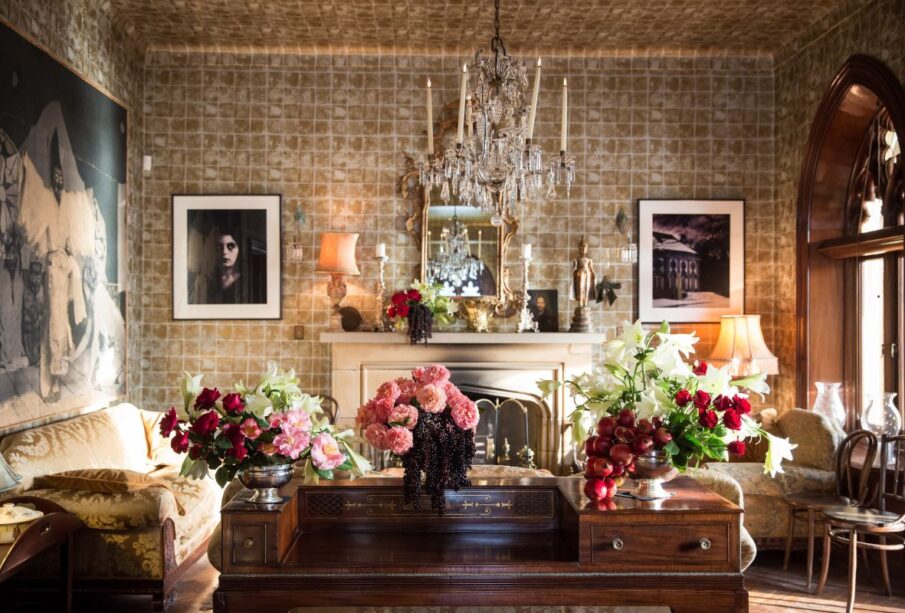
Interior design is more than arranging furniture or choosing wall colors. It is a powerful expression of identity, lifestyle, memories, and aspirations. Every decision inside a home or workspace communicates something about the person who lives there. From textures and lighting to layout and decorative accents, thoughtful design transforms interiors into personal narratives that evolve with time.
The Connection Between Interior Design and Identity
Interior spaces often function as silent reflections of personality. Just as clothing choices express individuality, interiors reveal preferences, habits, and emotional priorities.
People naturally gravitate toward environments that feel authentic to them. For example:
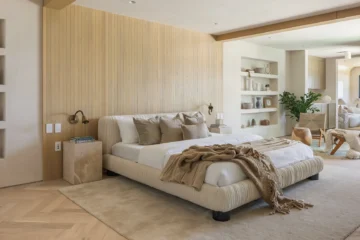
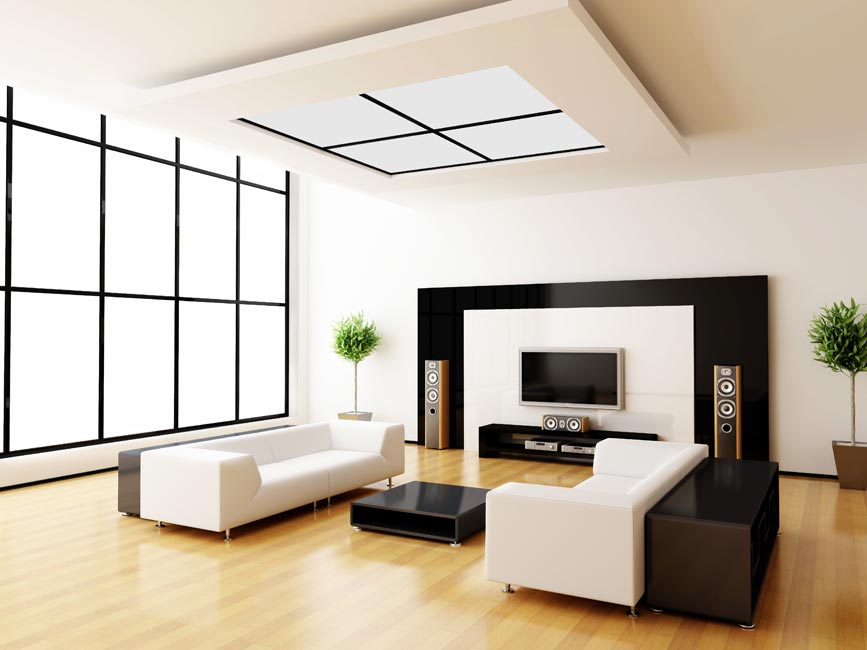
- A minimalist environment often reflects clarity, focus, and calmness
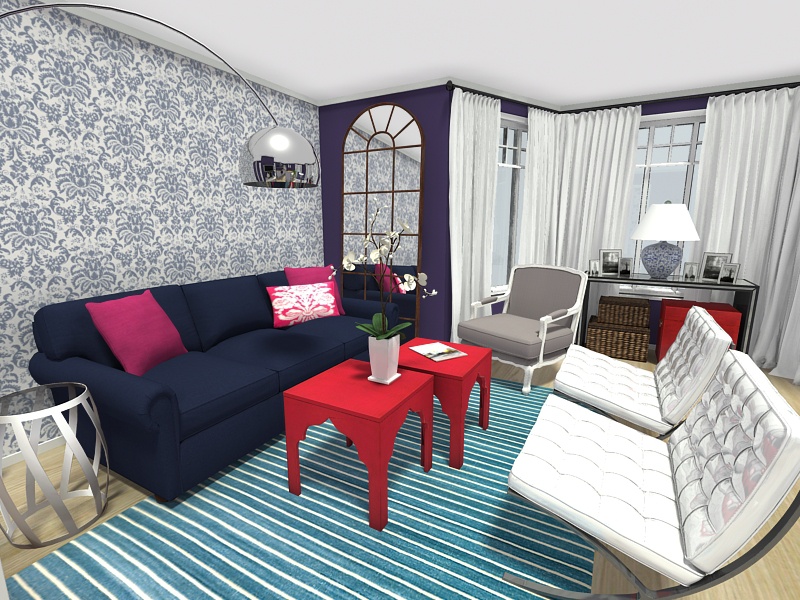
- A vibrant layered interior suggests creativity and openness
- Nature-inspired spaces reveal a connection to balance and tranquility
- Structured layouts indicate a preference for order and efficiency
Interior design becomes meaningful when it supports comfort while communicating individuality.
Color Choices as Emotional Signatures
Color plays one of the strongest roles in shaping personal expression inside a space. It influences mood while reflecting emotional tendencies.
Common examples include:
- Neutral palettes expressing simplicity and timeless elegance
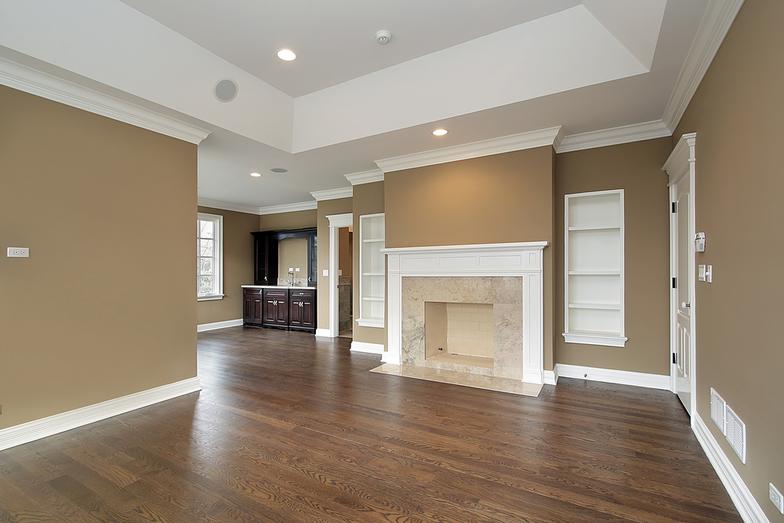
- Warm tones representing energy, hospitality, and comfort
- Cool shades suggesting calmness and introspection
- Bold contrasts reflecting confidence and individuality
When thoughtfully selected, color transforms rooms into environments that mirror emotional identity rather than just visual trends.
Furniture Selection Reveals Lifestyle Priorities
Furniture decisions communicate how a person interacts with their surroundings daily. The balance between function and aesthetics reveals priorities and routines.
Examples include:
- Modular furniture reflecting flexibility and adaptability
- Vintage pieces showing appreciation for heritage and storytelling
- Compact multifunctional furniture supporting efficiency in smaller homes
- Statement furniture highlighting confidence and artistic taste
Furniture becomes meaningful when it supports comfort while reinforcing personality.
Decorative Elements Tell Personal Stories
Accessories transform interiors from generic environments into lived experiences. Personal objects bring emotional depth and authenticity.
Common storytelling elements include:
- Travel souvenirs representing curiosity and exploration
- Family photographs preserving relationships and memories
- Handmade items expressing cultural appreciation
- Indoor plants reflecting connection with nature
Decorative accents create visual layers that make spaces feel lived in rather than staged.
Spatial Layout Reflects Behavior Patterns
Interior layout reveals how individuals move, work, relax, and socialize inside their homes. Open layouts often encourage interaction and flexibility, while compartmentalized layouts support privacy and structure.
Examples of layout-based personality expression include:
- Open living areas supporting social lifestyles
- Reading corners encouraging reflection and quiet routines
- Dedicated workspaces reflecting discipline and productivity
- Flexible seating arrangements supporting hospitality
Space planning shapes daily experiences while reinforcing personal rhythms.
Lighting Choices Shape Atmosphere and Personality
Lighting transforms how a space feels throughout the day. It influences perception, mood, and usability while subtly communicating preferences.
Examples include:
- Warm lighting creating comfort and intimacy
- Natural lighting supporting openness and wellness
- Accent lighting highlighting artistic interests
- Layered lighting improving versatility and control
Lighting works as both a functional necessity and a personal design signature.
Textures and Materials Add Depth to Expression
Materials communicate personality through touch and visual weight. Combining textures adds character while strengthening emotional comfort.
Examples include:
- Natural wood expressing warmth and authenticity
- Metal finishes suggesting modern sophistication
- Soft textiles reinforcing comfort and relaxation
- Stone surfaces reflecting durability and permanence
Texture selection influences how welcoming and balanced a space feels.
Cultural Influences Shape Design Identity
Interior design often reflects heritage, traditions, and regional inspiration. Cultural elements connect individuals to roots while adding meaningful visual diversity.
Examples include:
- Traditional patterns reflecting history and symbolism
- Regional craftsmanship preserving authenticity
- Local materials supporting sustainability
- Cultural artwork celebrating identity
These influences create interiors that feel deeply personal rather than trend-driven.
Evolving Interiors Reflect Personal Growth
Interior design rarely remains static. As lifestyles change, spaces adapt alongside them.
People often update interiors when:
- Moving into a new life phase
- Developing new interests
- Expanding families
- Changing careers
- Seeking renewed comfort or clarity
A home becomes a living reflection of transformation over time.
Frequently Asked Questions
How does interior design communicate personality without words
Interior design communicates personality through color choices, layout preferences, materials, lighting styles, and decorative elements that reflect habits, emotions, and priorities.
Can small spaces still reflect strong personal style
Yes. Even compact interiors can express individuality through furniture selection, artwork, textures, lighting, and thoughtful organization.
Is following design trends necessary to express personal style
No. Personal style becomes stronger when design choices reflect comfort and authenticity rather than temporary trends.
How do textures influence personal expression in interiors
Textures create emotional depth and tactile comfort while adding visual interest that supports a unique interior identity.
What role does lighting play in personal interior design
Lighting shapes mood, highlights design features, and supports routines, making it an essential element of personal expression.
How can beginners identify their interior design style
Beginners can observe preferred colors, favorite materials, lifestyle habits, and inspirational spaces to understand what feels natural and comfortable.
Does interior design style change over time
Yes. Interior style evolves alongside life experiences, personal growth, and changing functional needs.