Frozen Burst Pipe Repair: Warning Signs, Causes, and Solutions
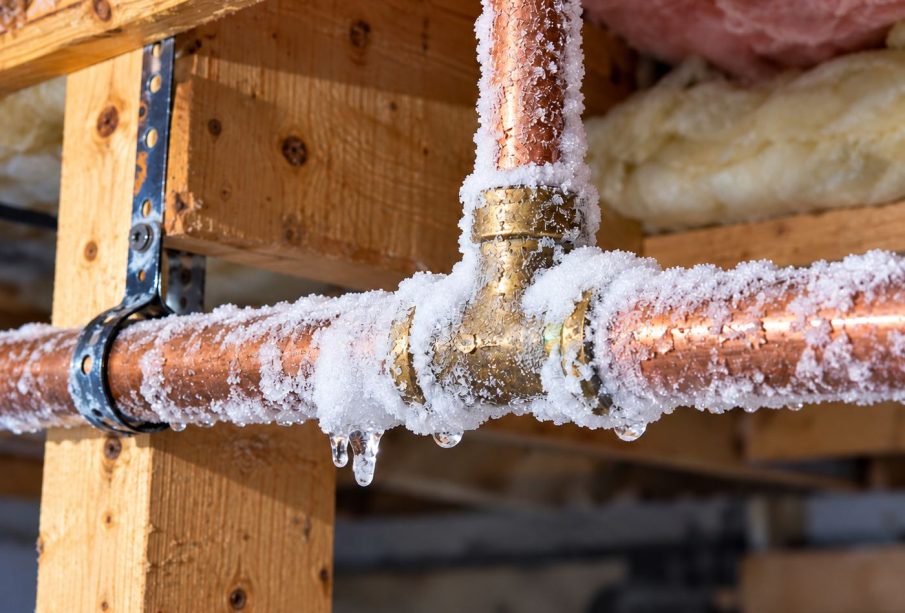
A frozen water pipe can become a serious plumbing emergency. When water freezes, it expands and creates pressure inside the pipe. The pipe may split at a weak joint or along its length, then release water when the ice begins to thaw. Fast action can limit flooding, structural damage and expensive repairs.
Homeowners looking for frozen burst pipe repair in Lake St. Louis should learn the warning signs and know what to do before calling a qualified plumber.
Warning Signs of a Frozen or Burst Pipe
A burst is not always obvious immediately. Watch for these signs during freezing weather:
- Little or no water comes from a tap
- Water pressure suddenly drops
- Frost, swelling or visible cracks appear on exposed pipes
- Damp patches, stains or dripping sounds occur near walls or ceilings
- Unusual odours develop because water is trapped or stagnant
- A water meter moves when every tap is turned off
If only one fixture has low pressure, the problem may be localised. If several taps are affected, the frozen section could be near the main supply line.
Why Pipes Freeze and Burst
Cold Air and Poor Insulation
Pipes in lofts, garages, crawl spaces and external walls are particularly vulnerable. Gaps around doors, windows and vents can allow cold air to reach them. Pipes with little or no insulation lose heat quickly during prolonged cold spells.
Unheated or Vacant Properties
A home with the heating switched off can become cold enough for indoor plumbing to freeze. Holiday properties and empty houses face greater risk, especially if cupboards containing pipes are closed and unheated.
Outdoor Connections and Existing Weaknesses
Garden taps, hose connections and exposed supply lines often freeze first. Older pipes, corroded fittings and poorly supported joints may split more easily when internal pressure rises.
What to Do If You Suspect a Burst
Act promptly, but avoid unsafe shortcuts.
- Turn off the main water stopcock or shut-off valve. If you cannot find it, ask your water supplier or plumber for guidance.
- Open nearby cold taps to relieve pressure and drain some water from the system.
- Switch off electricity near standing water. If water has reached electrical sockets or appliances, leave the area and seek professional help.
- Move furniture and valuables away from the leak if it is safe to do so.
- Call a qualified emergency plumber to locate the split, remove damaged sections and test the pipework.
Never use a blowtorch, naked flame or boiling water to thaw a pipe. These methods can damage plumbing, start a fire or cause sudden cracking. If the pipe is intact and easy to reach, gentle heat from a hairdryer or warm towels may help, but stop if the pipe begins leaking.
Professional Repair and Lasting Solutions
A plumber may need to cut out the burst section and install a suitable replacement using approved fittings. They should also check nearby joints, pressure levels and hidden damage. Drying wet areas quickly helps reduce mould growth and damage to plaster, flooring and insulation.
For prevention, insulate vulnerable pipes, seal draughts, protect outdoor taps and keep indoor heating at a safe minimum during cold weather. Opening cupboard doors under sinks can allow warm air to circulate. In severe conditions, a small, steady flow from a tap may also reduce freezing risk.
Conclusion
Frozen pipes can burst without much warning, but low pressure, frost, damp marks and unusual sounds provide useful clues. Shut off the water quickly, avoid dangerous thawing methods and arrange professional assistance. Proper insulation and winter preparation can help protect your plumbing from future freeze-related damage.