How Professional Home Construction Services Reduce Long-Term Maintenance Costs
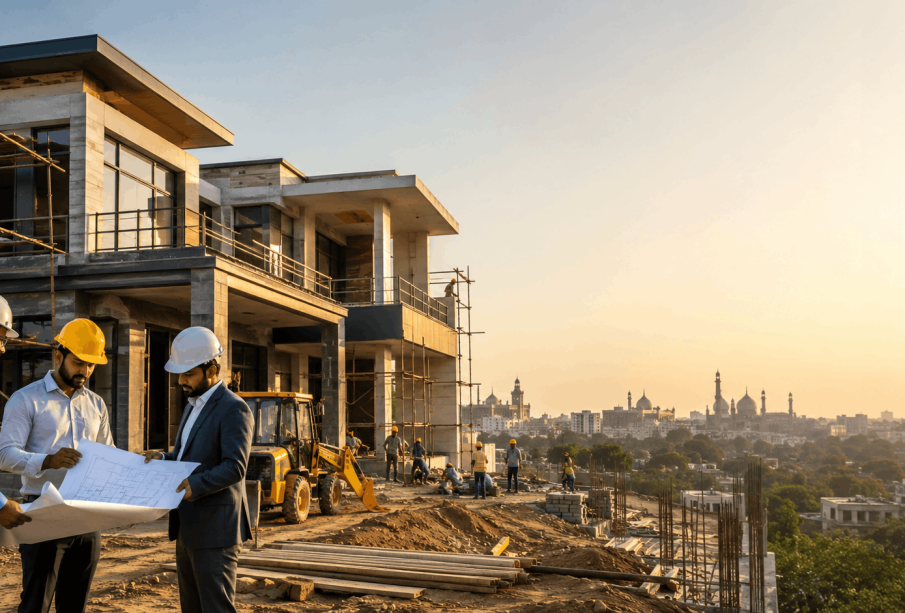
Many Thai homeowners focus on the build price and overlook what the house will cost to maintain over the next 20 years. Leaking roofs, damp walls and cracked floors often trace back to shortcuts taken during construction. In Thailand’s tropical climate, these small errors quickly grow into expensive repairs.
Professional home construction services (known as รับสร้างบ้าน in Thai) address these risks from the start. A qualified team plans for heavy rain, high humidity and unstable soil before the first foundation is poured. This upfront work costs more, but it prevents years of patch-ups.
This article explains how good home construction services in Thailand cut maintenance costs through proper foundations, moisture control, suitable materials and correct installation.
Build on Solid Foundations
Much of central Thailand, including Bangkok and the surrounding provinces, sits on soft clay. Without proper piling, houses settle unevenly. This causes cracked walls, sticking doors and broken tiles.
Professional builders test the soil and choose suitable pile types and depths. A home in Nonthaburi or Samut Prakan may need longer piles than one on firmer ground in Chiang Mai. Getting this right once avoids costly structural repairs later.
Control Moisture From Day One
Plan for the Monsoon
The rainy season brings intense downpours from roughly May to October. Poorly designed roofs and gutters overflow, and water seeps into ceilings and walls.
Experienced teams specify correct roof pitches, wide eaves and properly sized drainage. They also raise floor levels in flood-prone areas. Many households learned this lesson during the 2011 floods.
Stop Damp and Mould
High humidity encourages mould on walls and ceilings. Professionals install damp-proof membranes, use moisture-resistant plaster and plan for cross-ventilation. These steps reduce how often you need to repaint, and they protect indoor air quality.
Choose Materials Suited to Thai Conditions
Strong sun, salt air and termites wear down cheap materials fast. Professional builders select products that meet Thai Industrial Standards (TIS) and suit the local setting.
Examples include:
- Treated or termite-resistant timber, plus soil treatment before the slab is cast
- UV-resistant paint that resists fading and chalking
- Corrosion-resistant fixings for coastal homes in Phuket, Hua Hin or Pattaya
- Insulated roofing that lowers heat gain and reduces air-conditioning load
Better materials cost more upfront. They also last longer and need fewer replacements.
Install Correctly the First Time
Good materials still fail when they are installed badly. Common faults include poorly sealed window frames, incorrect bathroom waterproofing and loose roof tiles. Each one leads to leaks and repeat repair bills.
Licensed engineers and trained tradespeople follow building codes and inspect work at each stage. They also provide drawings and records, which make future repairs faster and cheaper.
Common Mistakes to Avoid
- Choosing the lowest quote without checking experience
- Skipping soil tests to save time
- Ignoring drainage around the plot
- Using indoor-grade materials in exposed areas
Professional construction lowers long-term costs by getting four things right from the start: foundations, moisture control, materials and installation. In Thailand’s heat, rain and humidity, these choices decide how often you pay for repairs.
Before you build, ask contractors about soil testing, waterproofing methods and material standards. Their answers will show you how much maintenance your future home is likely to need.